


The transition from “air cooling” to “water cooling”.
2026-06-01
Market trends: Demand is shifting towards higher transparency and performance.
As we enter 2026, with increasingly stringent global environmental regulations and upgrades in consumer demand, the market’s demand for high-performance, high-transparency, and low-crystallinity PP film continues to rise. The PP down-blow water-cooled blow-molding process has become the dominant method for producing high-end packaging films, medical films, and specialty films due to its high cooling efficiency, excellent film transparency, and superior physical properties. In Zhejiang and the Yangtze River Delta region, a hub for manufacturing industries, companies face multiple challenges such as accelerated technological advancements, increasingly specialized downstream demands, and rising production cost pressures. The need for PP down-blow water- cooled blow-molding machines has evolved from mere equipment procurement to a desire for comprehensive solutions that are efficient, stable, energy-saving, and highly adaptable to complex processes. Additionally, demand from downstream industries such as packaging, agriculture, and construction remains robust. National policies encourage the development of green industries, and the industry’s focus will shift towards greater emphasis on technological innovation and intelligent upgrades. The market share of high-end blow-molding machines is expanding, and automation levels are increasing, with intelligent control systems becoming more widespread.
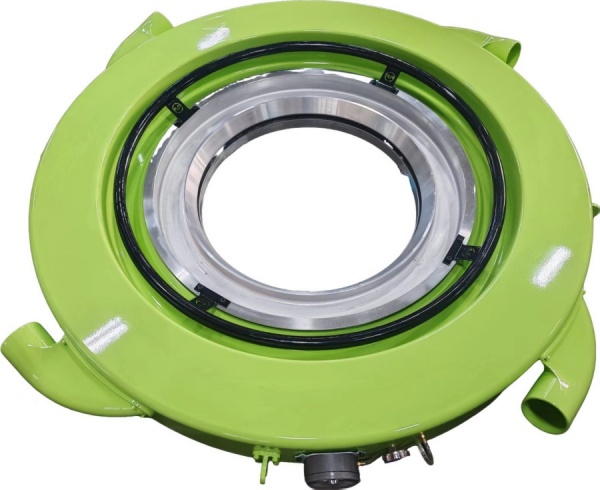
Technological trends: Rapid water cooling, intelligence, and the use of single materials are the three primary themes.
The PP water-cooled blow molding technology has recently made significant progress in several areas, and can be pursued in the following directions:
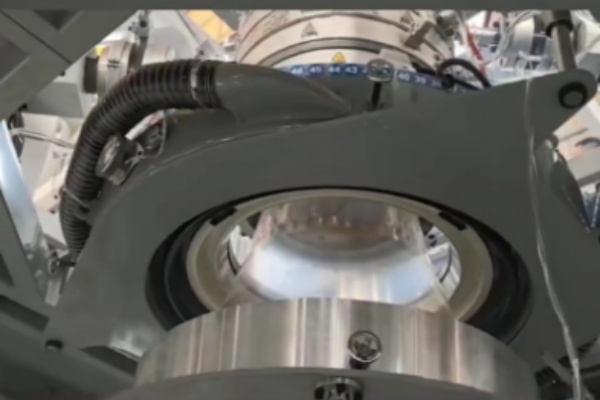
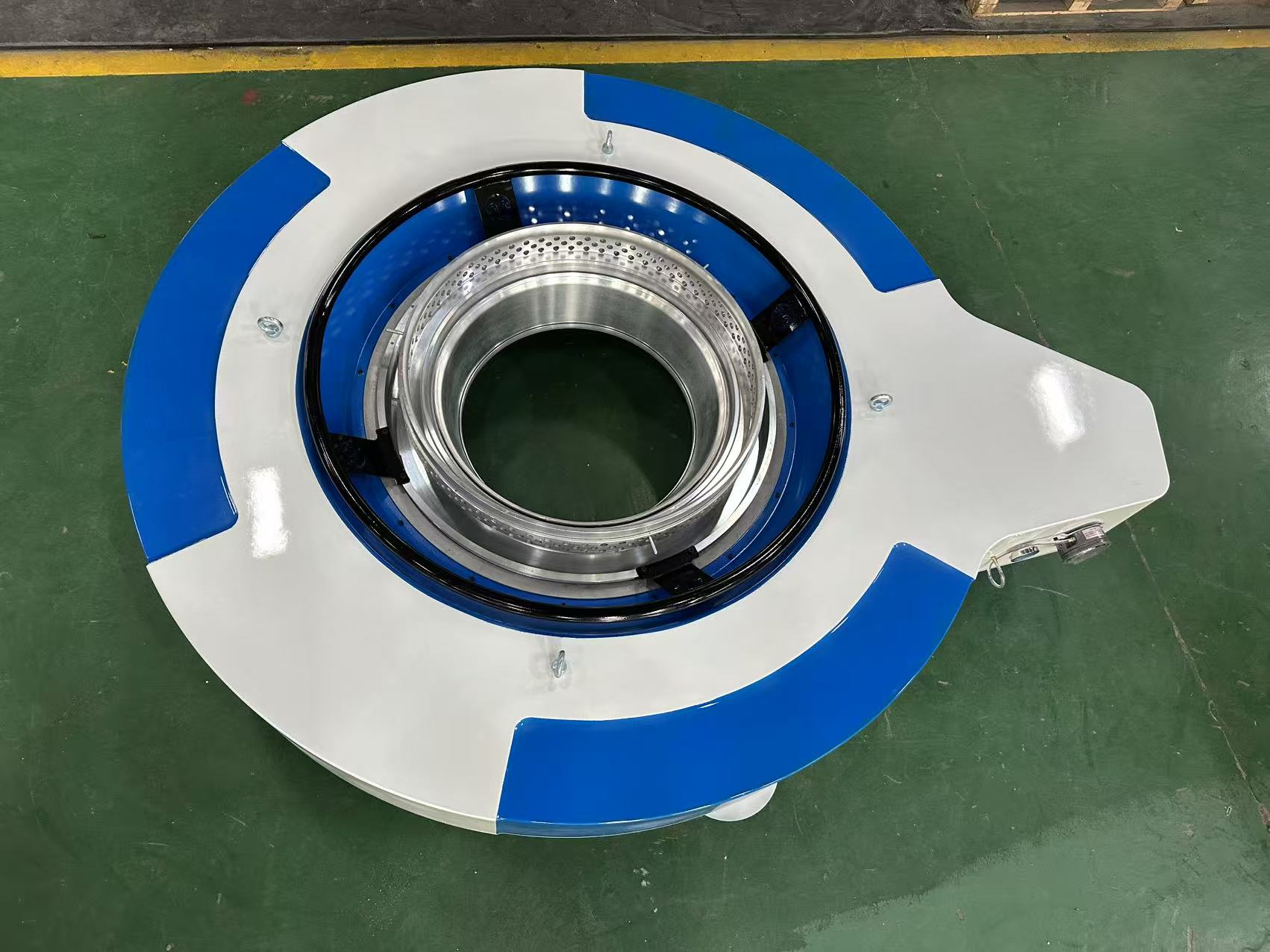
· Rapid water-cooling technology: Due to the rapid crystallization rate of PP, slow cooling in air can lead to the formation of large crystal particles, causing the film to become white and hazy. The down-blow water-cooling process allows the melt to directly enter the cooling water ring, achieving “instant freezing,” which maintains the crystals in a microscopic, extremely small state. This results in PP films with extremely low haze and high gloss, possessing a texture comparable to glass paper. The water-cooling technology also enhances the film’s resistance to puncture and tearing, making it not only visually appealing but also highly durable in practical applications.
· Multilayer co-extrusion and IBC internal cooling technology: Our proprietary precision extrusion system, combined with advanced IBC film bubble internal cooling technology, enables precise control over film thickness (with fluctuations within ±3% range), significantly enhancing the mechanical and optical properties of the film. Replacing traditional multilayer composite structures with a single material structure of PE/PP can greatly simplify the recycling process, making it truly recyclable. This trend is particularly noteworthy in the field of food-grade packaging.
· Intelligence and Energy Efficiency: The equipment integrates advanced PLC control systems and online monitoring modules, offering significant advantages in enhancing production efficiency and reducing manual intervention. The overall design prioritizes energy efficiency, with the heating and cooling systems optimized to achieve energy consumption levels that are among the best in the industry.
News
Hot News

Contact Us
-
Phone:+86-15842661696
-
Fax:+86-0411-86220404
-
Email:dlmqyb@163.com